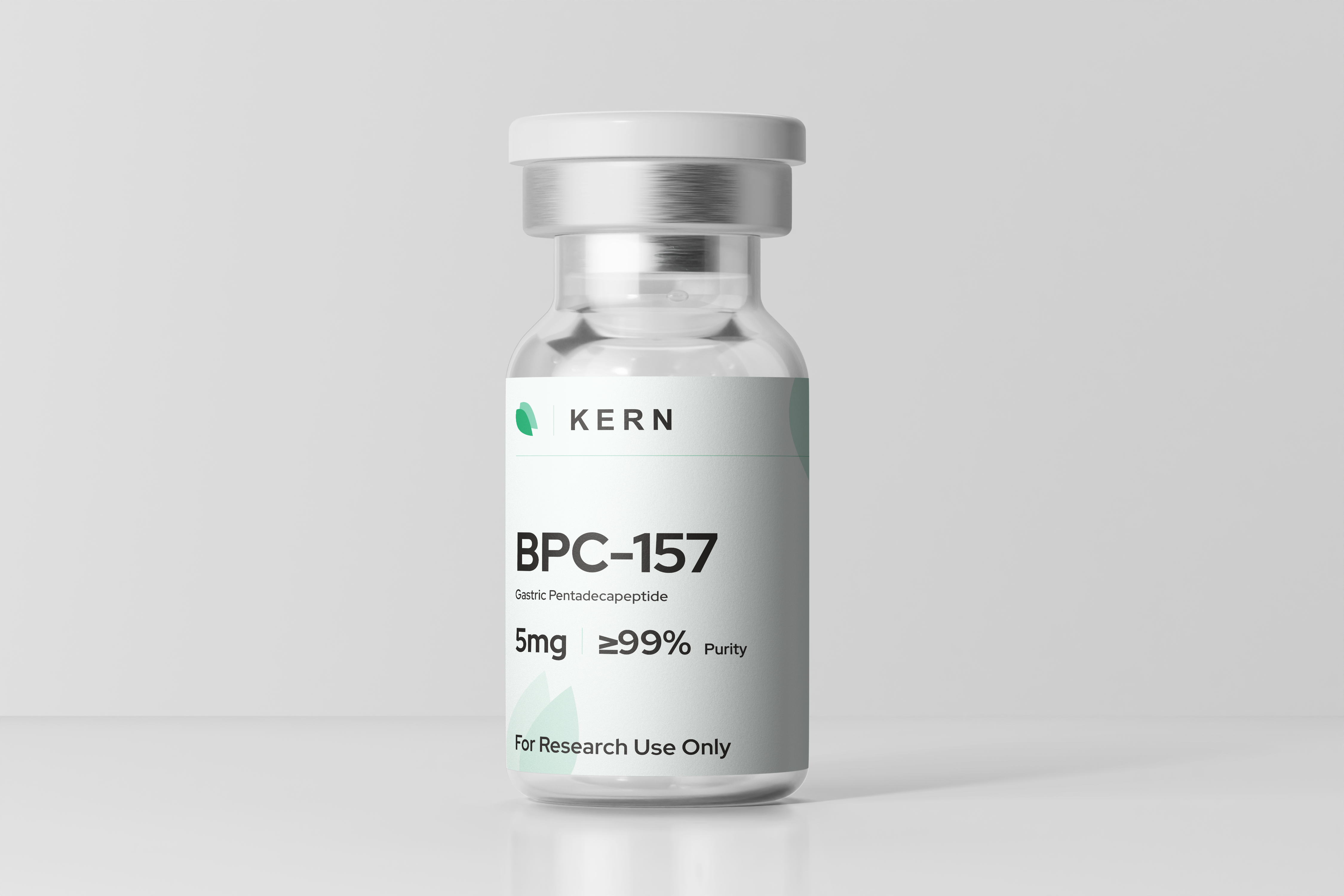
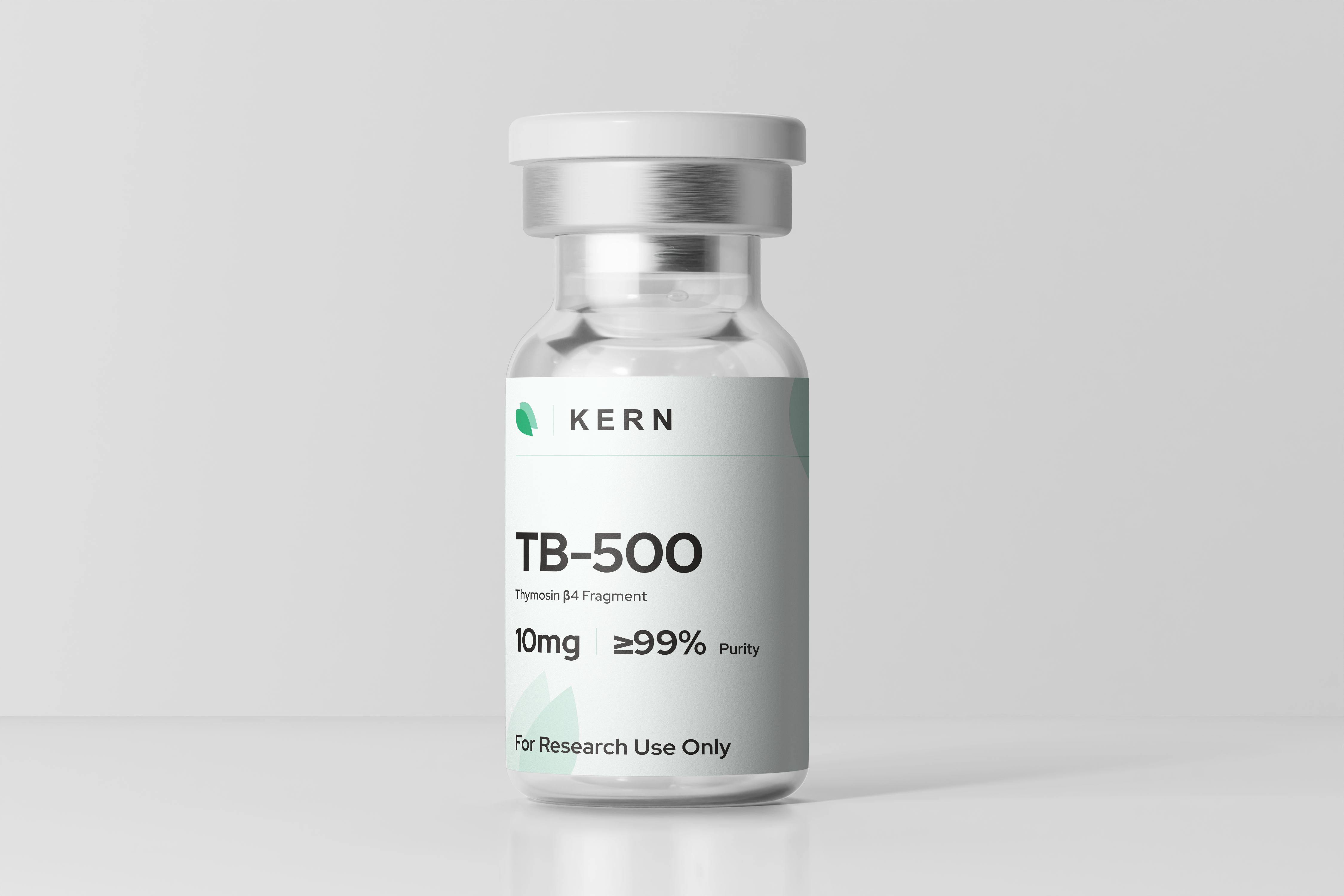
BPC-157
Body Protection Compound isolated from human gastric juice. Over 150 peer-reviewed papers since the early 1990s.
Select Dosage
Quantity
$145.35$149.85USD
Bundle & Save
Batch-Specific CoA
Third-Party Tested
Same-Day Shipping
We accept


Research Use Only. This product is intended for laboratory research purposes only. Not for human or veterinary use. Not for sale to minors.
01At a Glance01 / 08
BPC-157 — Key Data
A snapshot of published research on BPC-157. Each figure links to the literature summarized below.
Published Studies
030+ years of continuous research since the early 1990sPain Relief
014 of 16 patients in human knee studyBone Callus Formation
0Equivalent to autologous bone graft in rabbit modelToxicity Reported
0No adverse effects at any dose tested (6 mcg/kg to 20 mg/kg)NO Increase
0Angiogenesis via VEGFR2 receptor activation02Mechanism02 / 08
Multi-Pathway Tissue Repair
BPC-157 operates through multiple converging repair pathways. Unlike single-target compounds, it interacts with the nitric oxide system, growth hormone receptors, and VEGF pathways simultaneously. Its half-life is under 30 minutes, yet therapeutic effects in preclinical models persist for weeks to months. For research use only.
Discovered 1991190+ publicationsDerived from human gastric juice protein BPC
- 01
VEGFR2 / Angiogenesis Pathway
PrimaryVEGVascular Regeneration
- Upregulates VEGFR2 expression (not VEGF-A directly)
- 35% increase in nitric oxide production in endothelial cells
- Increased vessel density in vivo and in vitro
- 02
Growth Factor Receptor Signaling
PrimaryGFRGrowth Factor Modulation
- Enhanced GH receptor expression in tendon fibroblasts
- Interactions with VEGF, FGF, and EGF pathways in vitro
- Modulates granulation tissue formation and collagen organization
- 03
Nitric Oxide System
SecondaryNOVascular Support
- Modulates NO system activity in multiple tissue types
- Supports vascular function and blood flow recovery
03Findings03 / 08
What the Studies Show
Peer-reviewed outcomes from published BPC-157 research.
Chronic Knee Pain Study - 16 Patients
0
14 of 16 patients with chronic knee pain reported relief. 7 of 12 patients maintained improvement exceeding 6 months after a single injection.
- BPC-157 Group
- 87.5% relief
- Sustained at 6 months
- 58.3%
Trial details. Single injection protocol, chronic knee pain subjects, follow-up to 6+ months
Gwyer et al., 2019Additional Clinical Outcomes
- 0Sebecic et al., 1999
Segmental Bone Defect - Rabbit Model
Segmental bone defect in rabbits showed callus formation 2x larger than controls, equivalent to autologous bone graft. Complete bony continuity at 6 weeks while all controls remained unhealed.
- 0Staresinic et al., 2003
Achilles Tendon Transection - Rat Model
Transected rat Achilles tendon model showed significantly increased load to failure, superior walking/gait recovery (Achilles Functional Index), and improvements persisting 21-72 days.
- 0Sikiric et al., 2024
Interstitial Cystitis - Human Subjects
Interstitial cystitis resolution at 6 weeks post-treatment in human subjects. Phase II IBD trial reported no toxicity or side effects.
Tissue Repair Efficacy
87.5%
BPC-157~40%
Standard Care12%
PlaceboBased on pain relief outcomes in chronic knee pain study (Gwyer et al., 2019)
04Applications04 / 08
Research Applications
Reported areas of investigation across the BPC-157 literature.
- 01MUSCULOSKELETAL REPAIR
Tendon and Bone Healing
Accelerates repair of tendons, ligaments, and bone in preclinical models through growth factor receptor upregulation.
- Bone callus formation
- 2x vs control
- Tendon load to failure
- Significantly increased
Study finding. Complete bony continuity at 6 weeks while all controls remained unhealed in segmental defect model.
Sebecic et al., 1999 - 02VASCULAR REGENERATION
Angiogenesis Activation
Promotes new blood vessel formation via VEGFR2 upregulation and nitric oxide system modulation.
- NO production increase
- +35%
- Vessel density
- Increased
Study finding. VEGFR2 expression upregulated without direct VEGF-A stimulation, suggesting a safer angiogenic pathway.
- 03GI PROTECTION
Gastrointestinal Repair
Protects and repairs GI mucosa in multiple preclinical and early clinical models of IBD and ulceration.
- IC resolution
- 80-100%
- IBD trial adverse events
- Zero
Study finding. Phase II IBD trial reported no toxicity or side effects alongside 80-100% interstitial cystitis resolution.
Sikiric et al., 2024
05Safety05 / 08
Reported Observations
- Zero toxicity at any dose tested (6 mcg/kg to 20 mg/kg) over 6 weeks in rats and dogs
- No adverse histopathological changes in liver, spleen, thymus, lung, kidney, brain, prostate, or ovaries
- LD50 not established -- cannot be given in toxic quantities in animal models
- Phase II IBD trial: no toxicity or side effects reported
This summary reflects observations from published peer-reviewed research. It is not a comprehensive safety assessment. Researchers should review primary literature before designing protocols. For Research Use Only.
06Compound06 / 08
Compound Profile
Molecular Profile
What Is BPC-157?
TypeSynthetic Pentadecapeptide
Molecular Weight1,419.53 g/mol
Amino Acids15
SequenceGly-Glu-Pro-Pro-Pro-Gly-Lys-Pro-Ala-Asp-Asp-Ala-Gly-Leu-Val
FormulaC62H98N16O22
Storage & Handling
Stability Information
- Protect from light and moisture
- Keep in sealed container
- Avoid repeated freeze-thaw cycles
Lyophilized
Up to 2 years
Reconstituted
Up to 30 days
Working solution
Use within 24 hours
07Questions07 / 08
08References08 / 08
References
These references are provided for informational purposes. Kern is not affiliated with the authors or institutions listed above.
Related Products
Important Notice — Please Read
The statements made within this website have not been evaluated by the US Food and Drug Administration. The products we offer are not intended to diagnose, treat, cure, or prevent any disease. The peptides sold on this website are intended for research use only. The buyer is responsible for adhering to all local laws and regulations. Kern is not a pharmacy and does not provide medical advice or prescriptions. They are not for human consumption, are not FDA approved, and are not supplements or pharmaceutical drugs. The information provided on this website is for informational purposes and not a substitute for professional medical advice, diagnosis, or treatment. If you have questions or concerns about your health, please talk to your doctor. This site is an advertisement for education, research peptides, and not any specific medication. By purchasing from Kern, you confirm that you are a qualified researcher purchasing these compounds for legitimate in vitro or laboratory research purposes only. You must be 21 years of age or older to purchase.